

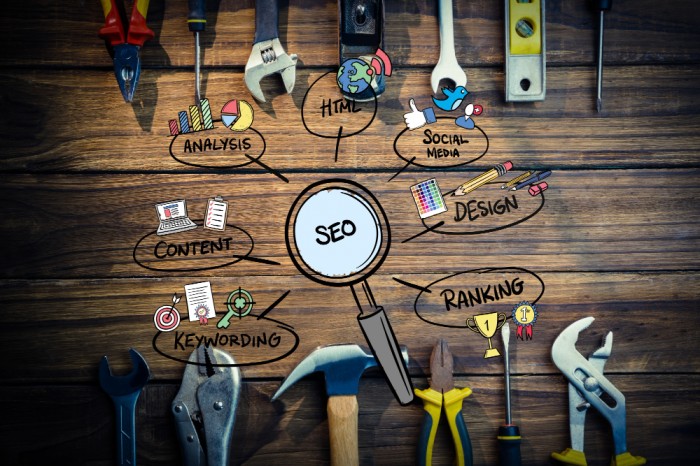
In today's competitive digital market, having a visually beautiful website or a unique offering is insufficient to ensure success. A strong Search Engine Optimization (SEO) plan is required to reach your target audience and maximize the potential of your business. SEO makes your online presence apparent to search engines and, more crucially, potential clients. Let's look at what SEO is, why it's important, and how it can impact your business.
1. Increased visibility.
Ranking on the first page of search results is crucial. According to studies, more than 90% of consumers never leave the first page. SEO ensures that your website rises to the top of the search results, exposing your company to more potential clients.
2. Increased Website Traffic
An optimised website gets more organic traffic—users who are truly interested in your products. Unlike sponsored ads, organic traffic increases steadily over time with regular SEO work.
3. Improved User Experience.
SEO is more than just impressing search engines; it's also about providing a consistent experience for your visitors. A well-optimized site loads quickly, is simple to navigate, and offers useful material, resulting in more satisfied users and fewer bounce rates.


4. Increased credibility and trust.
Users generally consider websites with higher SERP rankings as more reputable and trustworthy. SEO comprises factors such as content quality, backlinks, and technological integrity, all of which help to develop your brand's reputation.
5. Cost-effectiveness.
Compared to paid advertising, SEO is a less expensive technique to get focused visitors. It focuses on recruiting users who are actively looking for your products or services, which increases conversion rates without breaking the bank.
6. Competitive edge.
With so many businesses competing for attention, SEO allows you to stand out. By investing in a strong SEO strategy, you can surpass competition and establish yourself as a niche leader
Keyword research is the process of identifying the search phrases used by your target audience.
On-page optimization entails improving content, meta tags, and internal links.
Off-Page Optimization: Creating backlinks and increasing domain authority.
Technical SEO involves optimizing site speed, mobile friendliness, and other backend features.
information creation entails producing high-quality, relevant information that engages readers and motivates them to take action.

 Fully Dynamic CMS Settings
Payment Gateway Integration
100%
SEO Optimized
Blog
Site Development
Unlimited Landing Pages
Fully Dynamic CMS Settings
Payment Gateway Integration
100%
SEO Optimized
Blog
Site Development
Unlimited Landing Pages

1000+Customers Trust

DedicatedAccount Manager

AssuredQuality Work
 Call
Us for details
Call
Us for details
1000+ Subscriptions | 50+ Team